Electronics & PCBA
Review board architecture, power, charging, radio layout, connectors and component requirements.

ODM PRODUCT DEVELOPMENT
Bring your use case, target features and business requirements. SCSETC can review the engineering work needed for a new intercom or integrated riding product, then define prototypes, validation and production scope with you.
If an existing model already meets the core requirement, OEM branding may be the simpler path.

MORE THAN A LOGO CHANGE
Use this path for a new form factor, electronics architecture, firmware behavior, helmet integration or a combination of features that an existing product cannot provide.
Compare OEM and ODMENGINEERING AREAS
These are possible workstreams, not a fixed package. Feasibility, cost and validation are reviewed against your approved brief.
Review board architecture, power, charging, radio layout, connectors and component requirements.
Define pairing, intercom behavior, controls, audio processing and update requirements.
Plan enclosure shape, mounting, materials, waterproofing targets and mold development.
Check fit, speakers, microphones, wiring, cameras and the intended installation method.
Align visual identity, packaging, manual content and any supported app-facing experience.
Agree functional tests and the documentation needed for the final configuration and destination market.
PROJECT DIRECTIONS
These examples help frame a brief. They do not imply that a specific feature or certificate is included in every project.

Define rider count, intercom experience, controls and target range for the intended use.

Discuss recording, power, mounting and communication in a single product concept.
Explore an application-specific camera or accessory integration brief.
STAGE-GATED DEVELOPMENT
Engineering, tooling, prototype and production dates are planned after feasibility review. Each stage should have written deliverables and an approval point.
Confirm use case, functional targets, target market, constraints and an initial engineering assessment.
Agree the product specification, development deliverables, tooling needs, cost structure and indicative schedule.
Review mechanical, electronic and firmware prototypes against the agreed requirements.
Test performance and reliability, record issues and agree design changes before production tooling is finalized.
Confirm production controls, inspection criteria, packaging and dispatch arrangements.
COMMERCIAL CLARITY
ODM has more variables than a branding order. The final quotation should identify costs, ownership, schedule, tests and what changes trigger a new approval.
Discuss project terms2,000 pieces is a planning reference for deep ODM. The actual MOQ depends on hardware, tooling and the approved production configuration.
Clarify non-recurring engineering, prototype, mold and testing charges separately from unit pricing.
Document intellectual-property, tooling access and confidentiality terms in the project agreement.
Confirm milestone dates after scope review, with a process for changes to the specification or artwork.
 Prototype review · inspection · production
VERIFY THE FINAL CONFIGURATION
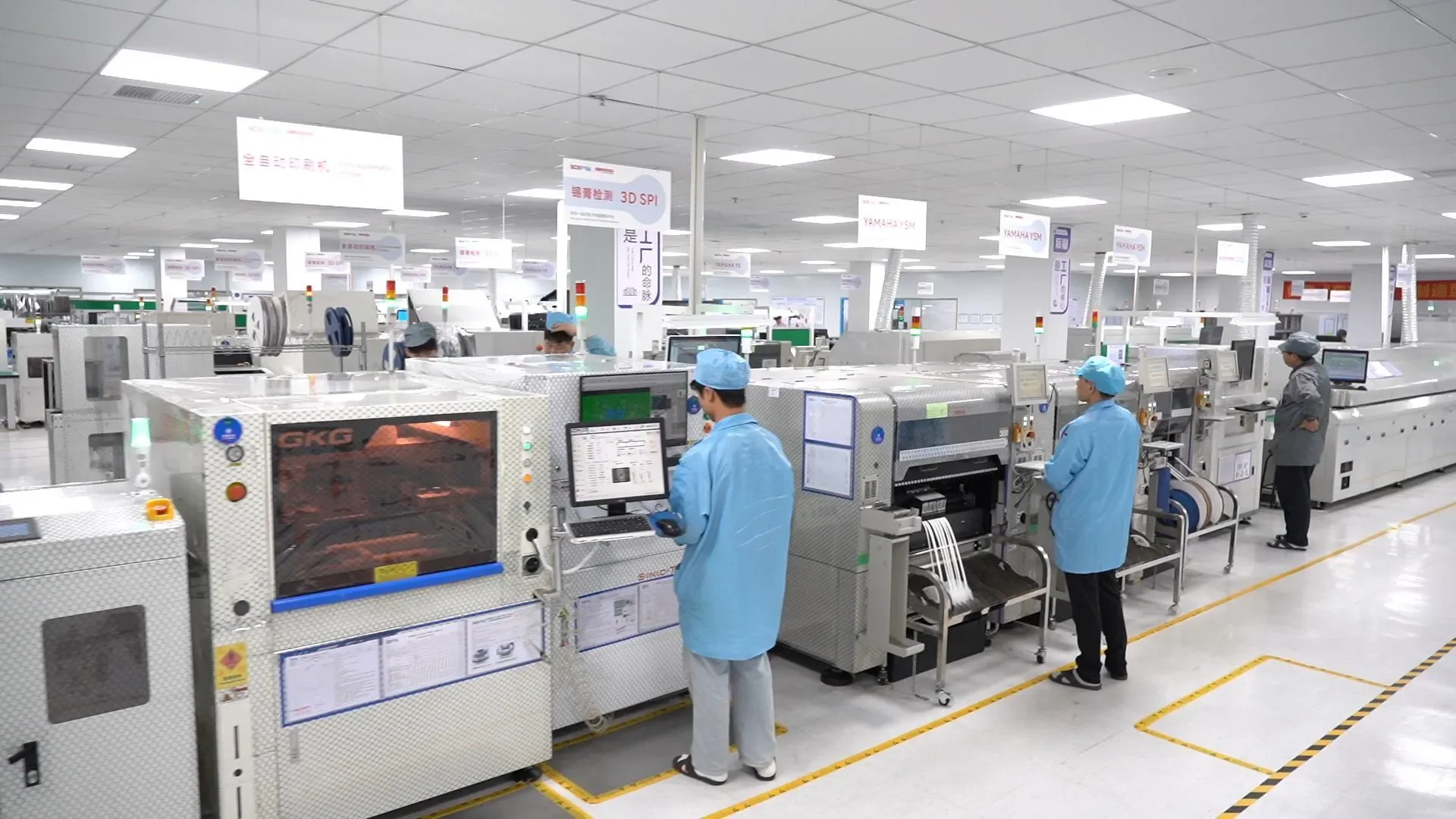
SCSETC assembles and inspects motorcycle intercoms at its Shenzhen facility. The validation plan for a new design may include connectivity, intercom audio, battery and charging, environmental reliability, appearance and packaging.
Existing certificates do not automatically transfer to a changed PCB, radio, enclosure or firmware configuration. Confirm the testing plan, document holder and destination-market requirements for the actual product.
PREPARE YOUR BRIEF
You can start with a rough concept. The more context you share, the faster the team can identify questions and the right next step.
ODM QUESTIONS
Feasibility and terms are confirmed only after the selected brief has been reviewed.
OEM starts from an existing product platform and typically changes branding or selected configuration details. ODM covers new product engineering, such as hardware, firmware or enclosure work.
Deep ODM projects use 2,000 pieces as a planning reference. The actual quantity depends on tooling, components, design scope and the approved quotation.
Timing depends on feasibility, prototype iterations, tooling and required testing. A milestone schedule is agreed after the requirements and scope are defined.
Ownership, access rights and confidentiality are commercial terms to agree in writing before development begins.
Do not assume they will. Any change to electronics, radio behavior, enclosure or configuration can affect the applicable testing and documentation. Confirm the exact requirements for your market.
START THE DISCUSSION
Tell us what the product must do, who will use it and where it will be sold. We can review feasibility and define the information needed for a project quotation.
We’ll reply to your ODM inquiry within 2 business days.
PARTNER PROJECTS

🇪🇸 Europe
A Spain-based powersports retailer started with 500 units. Within 12 months, SCSETC products became their top-selling helmet accessory.

🌏 Asia
An OEM client needed a Bluetooth module that fit their existing helmet design. SCSETC delivered a custom PCB and firmware in 3 weeks.
PARTNER FEEDBACK

“Since becoming a SCSETC distributor, customer interest has grown fast. The headsets sell well, and riders love the durability.”

“Working with SCSETC has been smooth from day one. Fast prototyping, specs adjusted to our helmet design, on-time delivery.”