Is a Motorcycle Intercom Legal in Spain? DGT Rules for 2026
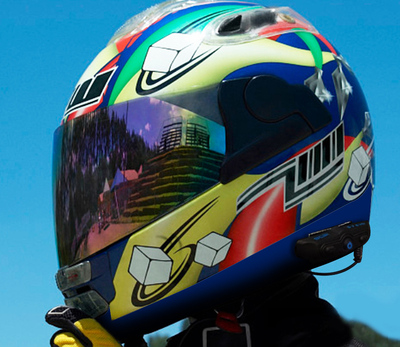
Quick answer: Yes, subject to conditions. Spain's current rules permit certified or approved wireless devices integrated into motorcycle helmets for intercommunication or navigation, provided riding safety is not affected. A Bluetooth connection alone does not establish compliance.
A passenger needs a break. Your riding partner spots gravel. The next junction is approaching, and you want a navigation prompt without looking down at a screen. These are everyday reasons to fit a motorcycle intercom. Before the first ride, though, there is a more basic question: can you legally use it?
For riders visiting or living in Spain, the answer depends on the equipment, its installation, and how it is used. This guide explains the current rules and the practical checks to make before setting off.
What Does Spanish Law Say About Motorcycle Intercoms?
The helmet-device exception appears in Article 13.3 of Spain's Traffic Law. The DGT also confirmed that helmet intercoms were covered by the reform that took effect on March 21, 2022. See the official Traffic Law and the DGT's explanation of the 2022 reform.
There is a newer detail to know: Royal Decree 518/2026 amended Article 18.2 of the General Traffic Regulations, effective October 1, 2026. Its exception specifies certified or approved wireless devices integrated into motorcycle or moped helmets, exclusively for intercommunication or navigation, without affecting riding safety. This wording is in the official 2026 amendment.
The practical starting point is to verify your particular setup. Neither a familiar brand name nor a wireless connection answers every question about the device and the helmet together.
How Do You Know Whether Your Intercom and Helmet Are Suitable?
The DGT's advice on identifying approved devices is to consult the seller, check the manufacturer's information, and look for the relevant approval label. Ask about the exact model you intend to use rather than relying on a general claim about an entire product range. The advice appears in the DGT's certification Q&A.
Understand what the helmet marking tells you
You will often see ECE 22.06 mentioned in intercom discussions. UN Regulation No. 22 concerns approval of protective helmets, visors, and their accessories. A helmet's approval marking should not be treated as proof that every separately purchased communicator is approved for that helmet. Check the documentation for the proposed combination. The regulation's scope is listed in the United Nations treaty record.
Ask specific questions before buying
- Helmet model: Does the helmet manufacturer permit this type of communication accessory and mounting method?
- Device documentation: What certification or approval applies to this exact intercom, and where can you read it?
- Installation: Are the supplied mount, speakers, and microphone suitable for the helmet's intended accessory locations?
- Fit: Can everything be installed without changing the helmet's fit or interfering with the retention system?
If the instructions do not answer these questions, contact the helmet manufacturer and device supplier before installation. Keep their written guidance with your equipment documents.
What Can You Use a Motorcycle Intercom For?
Talking to a passenger or another rider
Keep conversations useful and brief: the next fuel stop, a missed turn, or a request to slow down. Agree on a few clear phrases before leaving. A passenger saying “stop when safe” is easier to understand than a long explanation while you negotiate a busy roundabout.
For group rides, agree who leads and who follows, and decide what happens if communication drops out. Continue with the agreed route or meeting point instead of trying to pair devices while moving. Our group riding communication guide covers preparation and riding etiquette.
Receiving GPS directions
Enter your destination, check the first few turns, and test prompt volume before departure. If you miss a junction, continue safely and let the route recalculate. Pull over somewhere suitable before changing the destination or troubleshooting an audio connection.
Listening to music, podcasts, or radio
The 2026 exception expressly names intercommunication and navigation; it does not expressly include entertainment audio. Do not assume that music is permitted simply because your intercom can play it. Our conservative recommendation for riding in Spain is to leave entertainment audio off. This reading follows the wording of Article 18.2 as amended in 2026.
Can You Be Fined for Using an Intercom?
Yes, prohibited use can attract penalties. Under the Traffic Law, using prohibited earphones or manually operating a navigator or communication system is a serious offence, generally carrying a €200 fine and three penalty points. Holding a mobile phone while driving is a separate six-point offence. See Articles 76 and 80 and Annex II.
Those provisions do not mean that merely owning or carrying an intercom automatically results in a fixed penalty. The specific conduct and legal provision matter. For setup changes, stop in a suitable place before touching the phone or communication controls.
A Practical Checklist Before Your First Ride
Set aside time for installation and a stationary test. Finding a loose speaker or an uncomfortable cable in the garage is much easier than discovering it halfway through a trip.
- Read both manuals. Follow the helmet and intercom instructions together. Do not drill the shell, cut the impact liner, or improvise an unsupported mount.
- Check the fit again. Put the helmet on and fasten it normally. Speakers should not create pressure points, and cables should stay clear of the chin strap and visor mechanism.
- Secure the equipment. Check that the unit locks into its mount and that cables do not hang loose. Open and close the visor to confirm clearance.
- Pair before departure. Test the passenger or riding partner connection while parked. Save a simple recovery plan for the next scheduled stop.
- Test a navigation prompt. Choose a modest, intelligible volume. If speech is unclear, check speaker placement before increasing the level.
- Reduce interruptions. Silence nonessential notifications and agree that conversations pause when traffic demands more attention.
- Review the route's rules. For an international tour, check each country's current requirements before crossing the border.
For a closer look at speaker and microphone placement, see our helmet intercom installation and pairing guide.
Choosing an Intercom for Your Riding Routine
Start with how you ride. A daily solo commute, regular passenger trips, and a larger touring group call for different communication features. Make a short list of the connections you need, then compare controls, mounting options, and the support documentation available for your helmet.
You can explore the SCSETC intercom range to compare options. Before purchasing for use in Spain, request the exact model's documentation and confirm the intended installation with the helmet manufacturer. This guide does not certify any SCSETC model or helmet combination for Spanish road use.
Frequently Asked Questions
Does “wireless” mean there cannot be any wires inside the helmet?
Many helmet communication kits connect their speakers and microphone to the main unit with short internal wires. That construction detail alone does not establish whether a setup complies. Ask for the documentation covering the complete system and intended installation.
Does a more expensive intercom guarantee compliance?
No. Price, advertised range, and Bluetooth version are not substitutes for model-specific approval information and helmet compatibility guidance.
Can I use my Spanish setup throughout Europe?
Check the rules for every country on your route. Permission to use equipment in Spain should not be treated as confirmation of its permitted use elsewhere.
What should I ask SCSETC before ordering?
Send the exact helmet model, intended country of use, and intercom model you are considering. Ask for the installation manual and applicable compliance documents before deciding.
Sources and Further Reading
Rules checked: October 23, 2026. This article focuses on Spain. Use the current official texts when checking a particular device or installation.
- Spanish Traffic Law: Article 13.3, Articles 76 and 80, and Annex II
- Royal Decree 518/2026: amendment of Article 18 and effective date
- DGT: traffic reform and helmet-device certification Q&A
- United Nations: Regulation No. 22 scope
Topic reference: CLM Store's motorcycle intercom legality article. This SCSETC guide is independently written and checks the topic against the official sources above.